Service Design | Mobile UX | Behavioral Flow | Award-Winning Design
CONTEXT
Adoption raced ahead of infrastructure. Most urban owners can’t install a private pile, and public charging is expensive, congested, and unreliable.
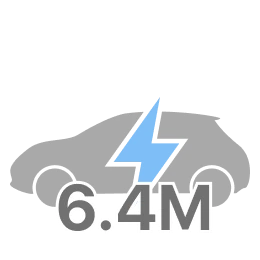
6.4M EVs
By end-2021, China had 6.4M EVs — ~2.1% of all cars.
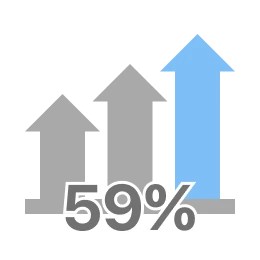
+59% a year
EV sales jumped 59% in 2021 — but charging couldn’t keep up.
2.53M gap
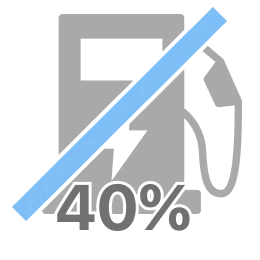
A 2.53M charger gap left ~40% of owners without home charging.

Dense by design
High-rise garages make neighbor-to-neighbor sharing natural.
Idle capacity
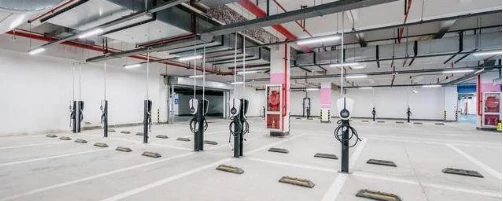
≈75% of private chargers sit unused — a real, latent supply.

Cost advantage
Home power is ~70% of commercial; public charging costs up to 3× more.
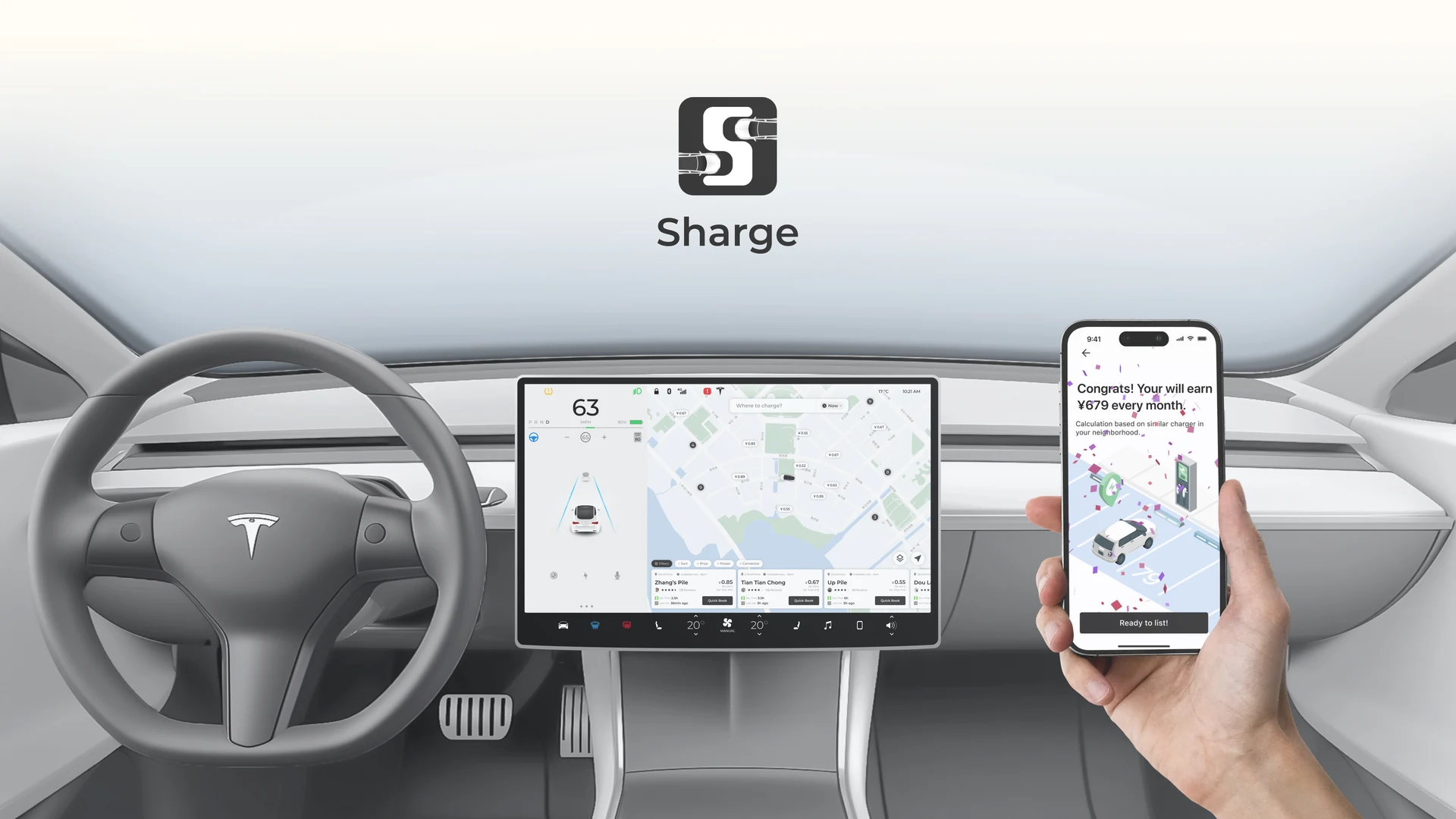
Sharge links demand with idle supply — serving two sides at once, each with its own goals.

 Driver — the buyer
Wants to charge now, nearby, with confidence — weighing distance, price, and reliability in seconds.

 Host — the seller
Wants to turn an idle pile into income — list it, set availability, and get paid, hassle-free.
Grounded in research across 27 articles, 42 social posts, 7 UGC videos, 17 survey responses, and 4 in-depth EV-owner interviews.
IDEATION
Four pains surfaced again and again — for drivers and hosts alike.
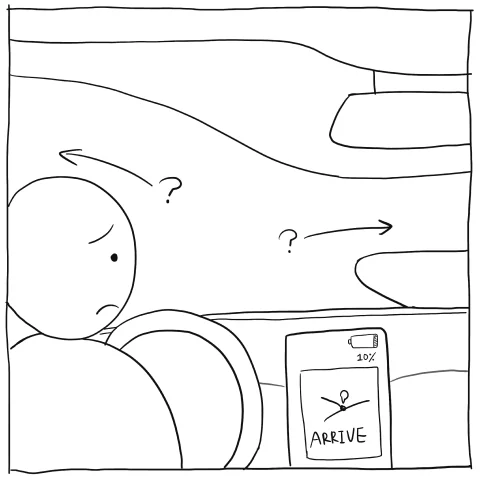
“I kept circling underground and still couldn’t find the charger.”
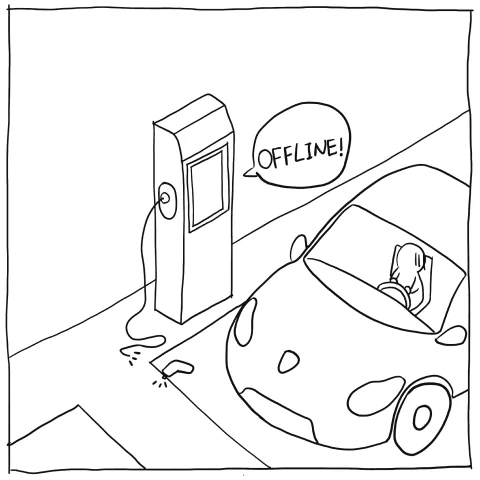
“I drove a long way — and the charger didn’t even work.”
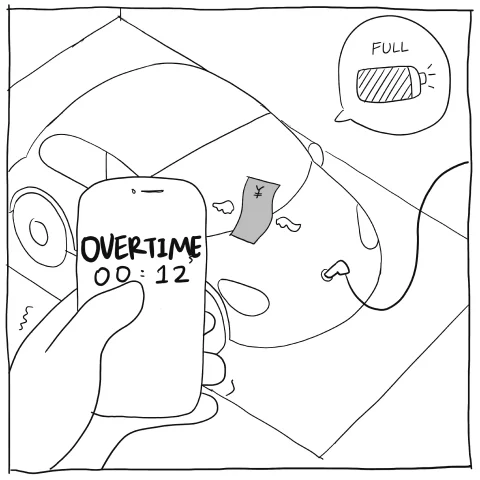
“I can’t relax — I keep checking my phone, afraid of a fine.”
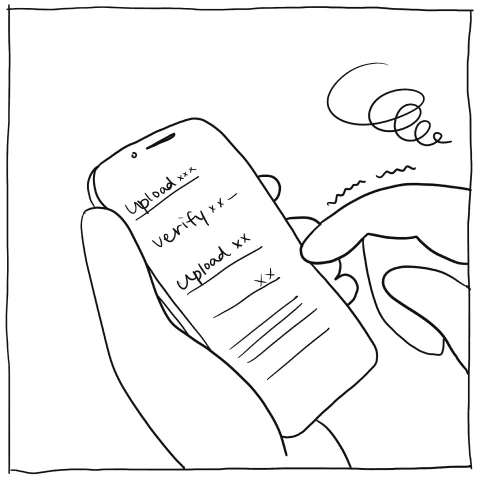
“Signing up took longer than the charge itself.”
We redesigned the flow for both sides — turning a daily frustration into an effortless marketplace.
Find, book, and charge — no more searching, waiting, or penalty anxiety.
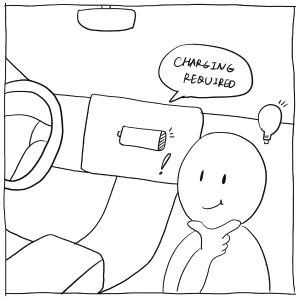
1. Realize charging need
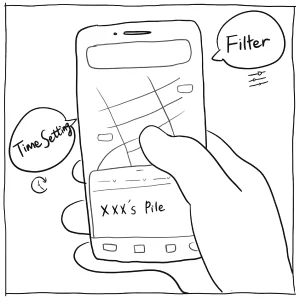
2. Search and filter
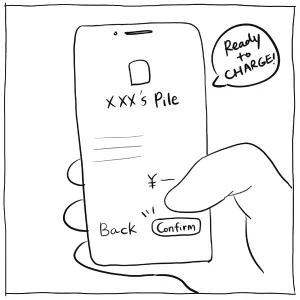
3. Reserve with confidence
4. Go to your reserved charger
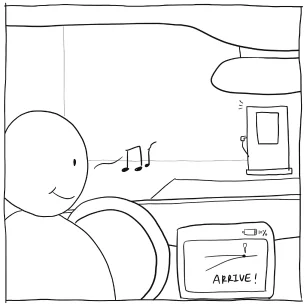
5. Arrive smoothly
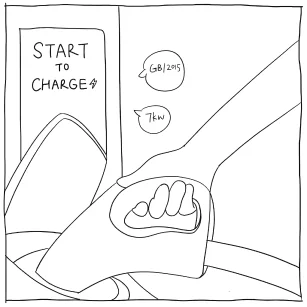
6. Start charging
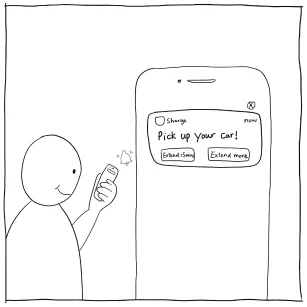
7. Track progress
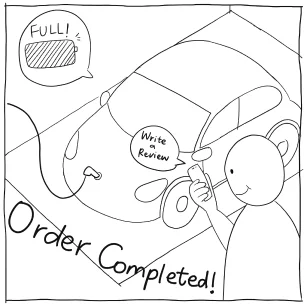
8. Complete charging
Share an idle pile in minutes — low effort, real income.
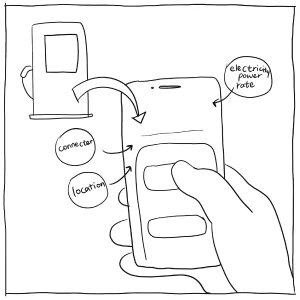
1. List a pile
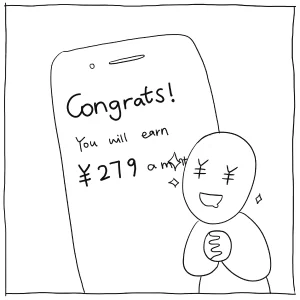
2. See estimated earnings
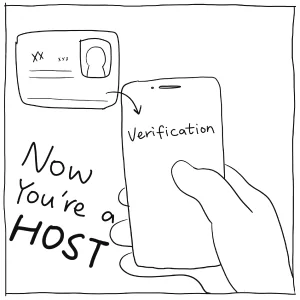
3. Verify identity
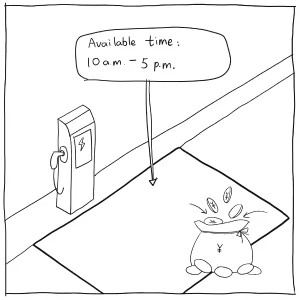
4. Publish availability
SOLUTION
Moving from mapped frustrations to detailed solutions that create seamless charging experiences.

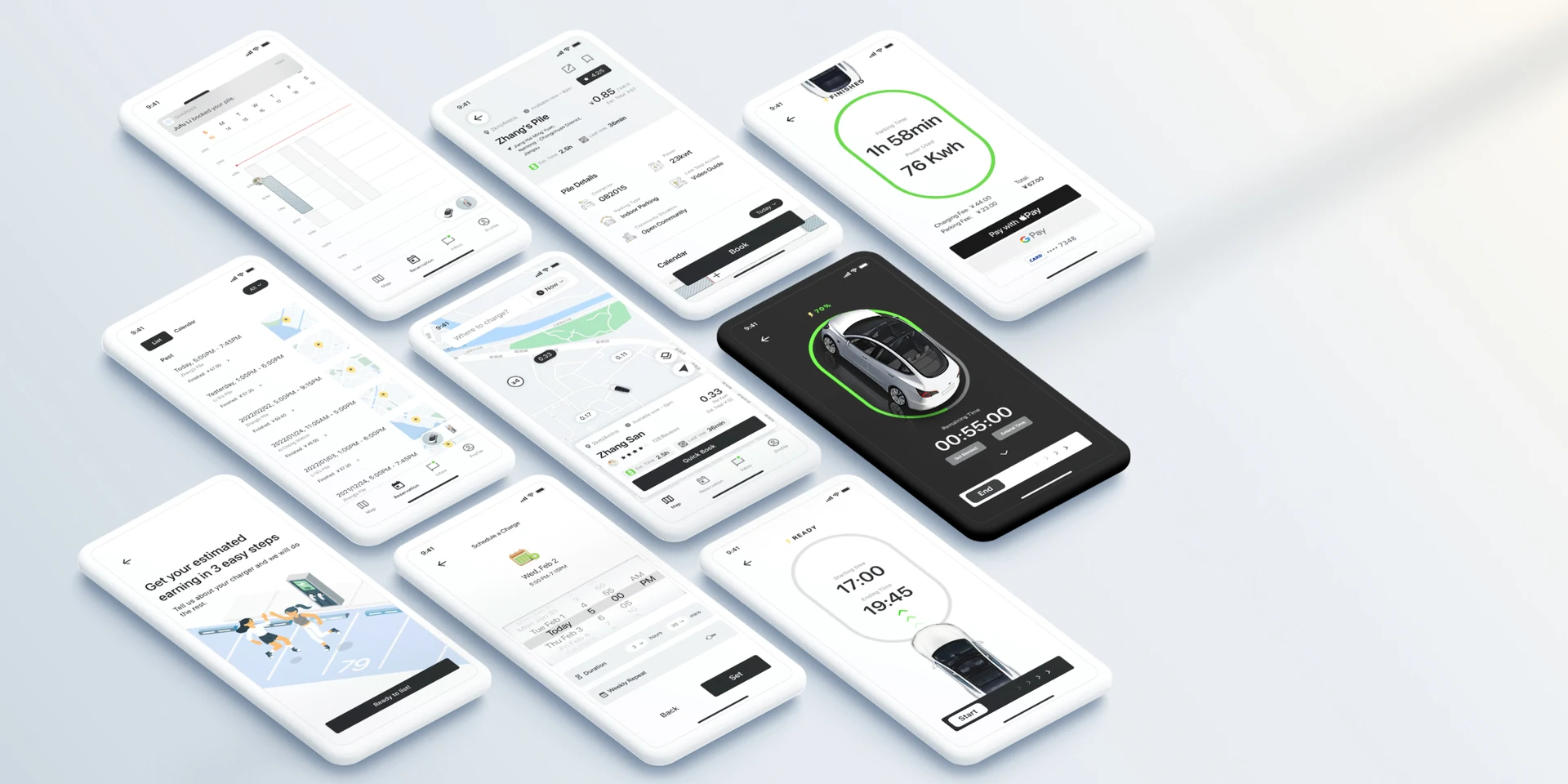
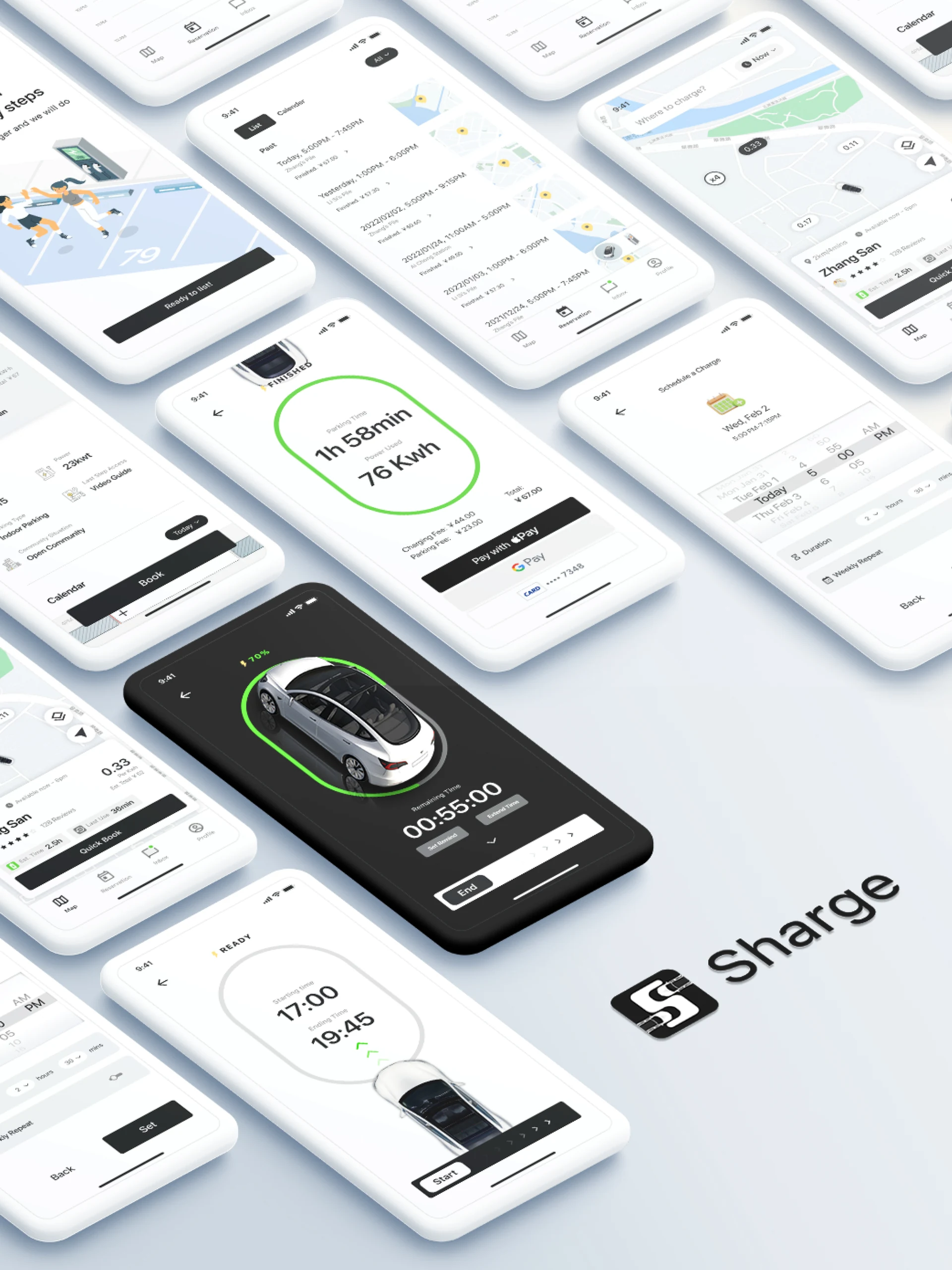
Drivers can browse nearby piles with transparent details—price, ratings, reviews, and photos—so they can book with confidence instead of guessing.

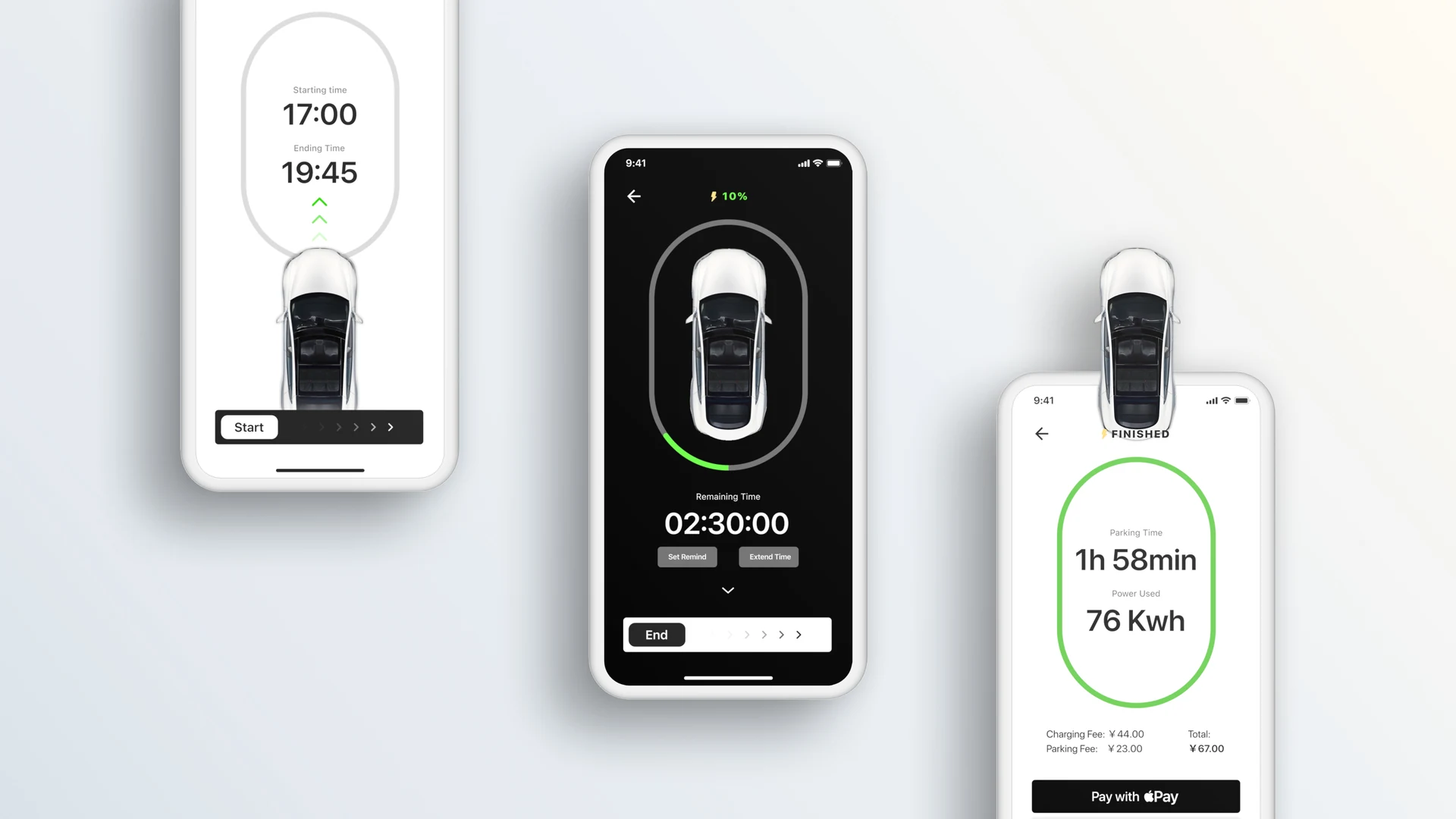
Real-time status, reminders, and progress tracking remove the anxiety of unpredictable charging sessions and overtime penalties.

Pile owners receive an instant earning estimate and guided onboarding. With simplified uploads and verification, turning a private pile into income takes minutes.

A dedicated calendar lets hosts set and adjust available time slots, ensuring no conflict with personal use while maximizing idle-time value.
DESIGN ITERATION
The flows were refined through multiple iterations, focusing on clarity, efficiency, and reducing cognitive load.
Wireframe led with photos — often outdated and decorative, telling drivers little about whether a charger actually works.
Final Design surfaces the facts drivers decide on — price, distance, and Last Use — so reliability is scannable at a glance.
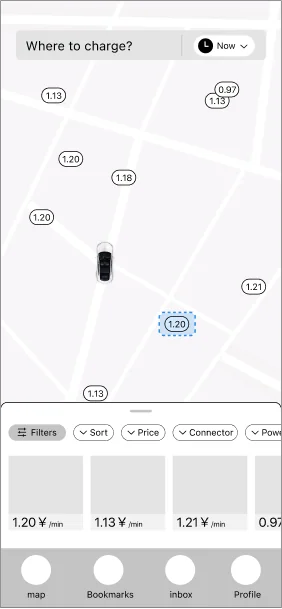
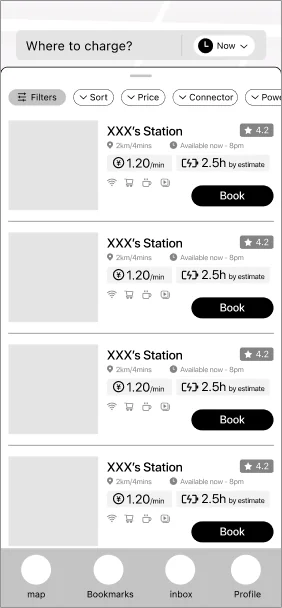
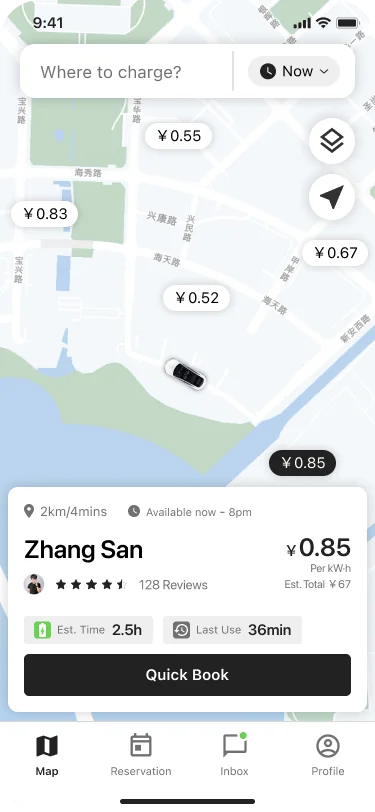
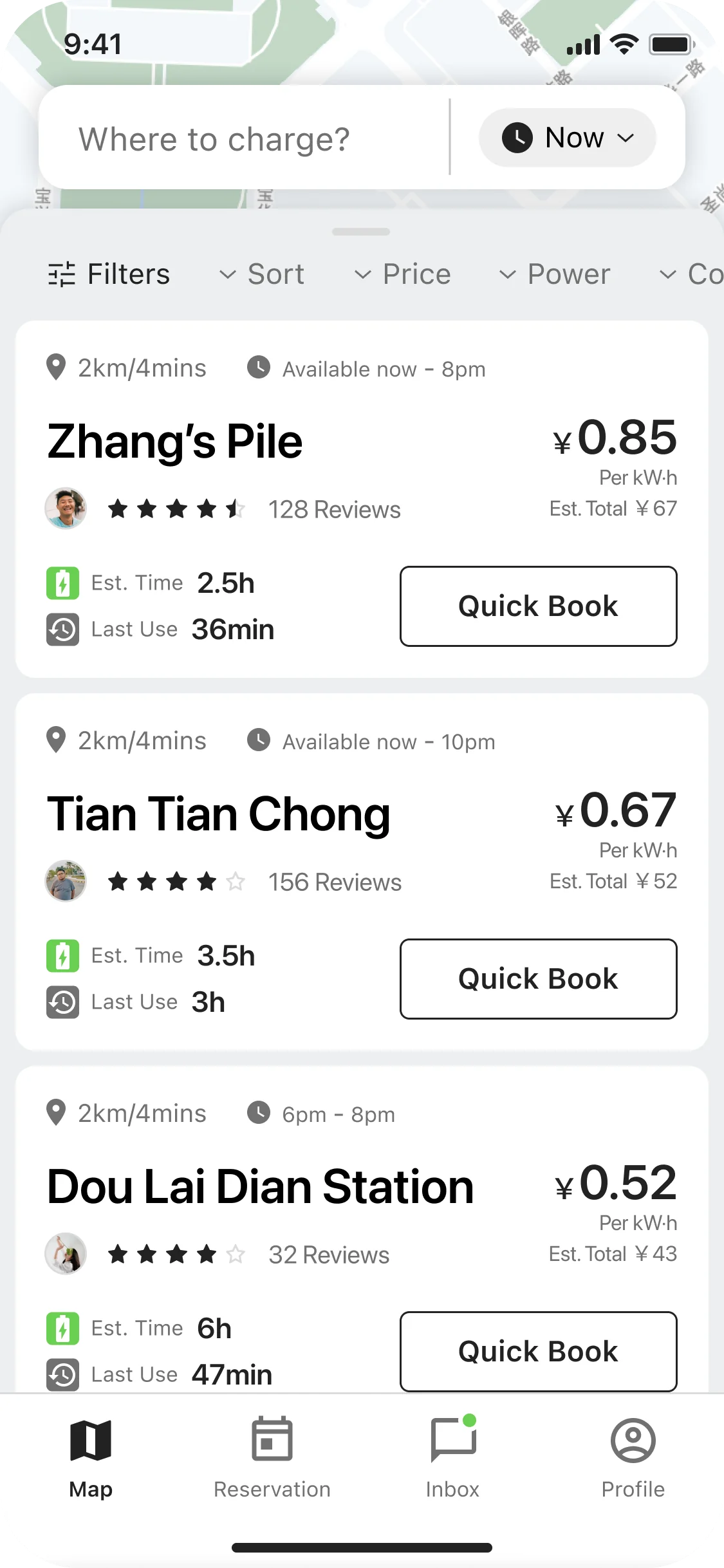
Shifted focus from visuals to value — lifting booking conversion by giving drivers what they actually decide on.
Wireframe asked drivers to enter both start and end times, adding steps and room for error.
Final Design simplifies to “start time + duration,” auto-blocking unavailable slots.
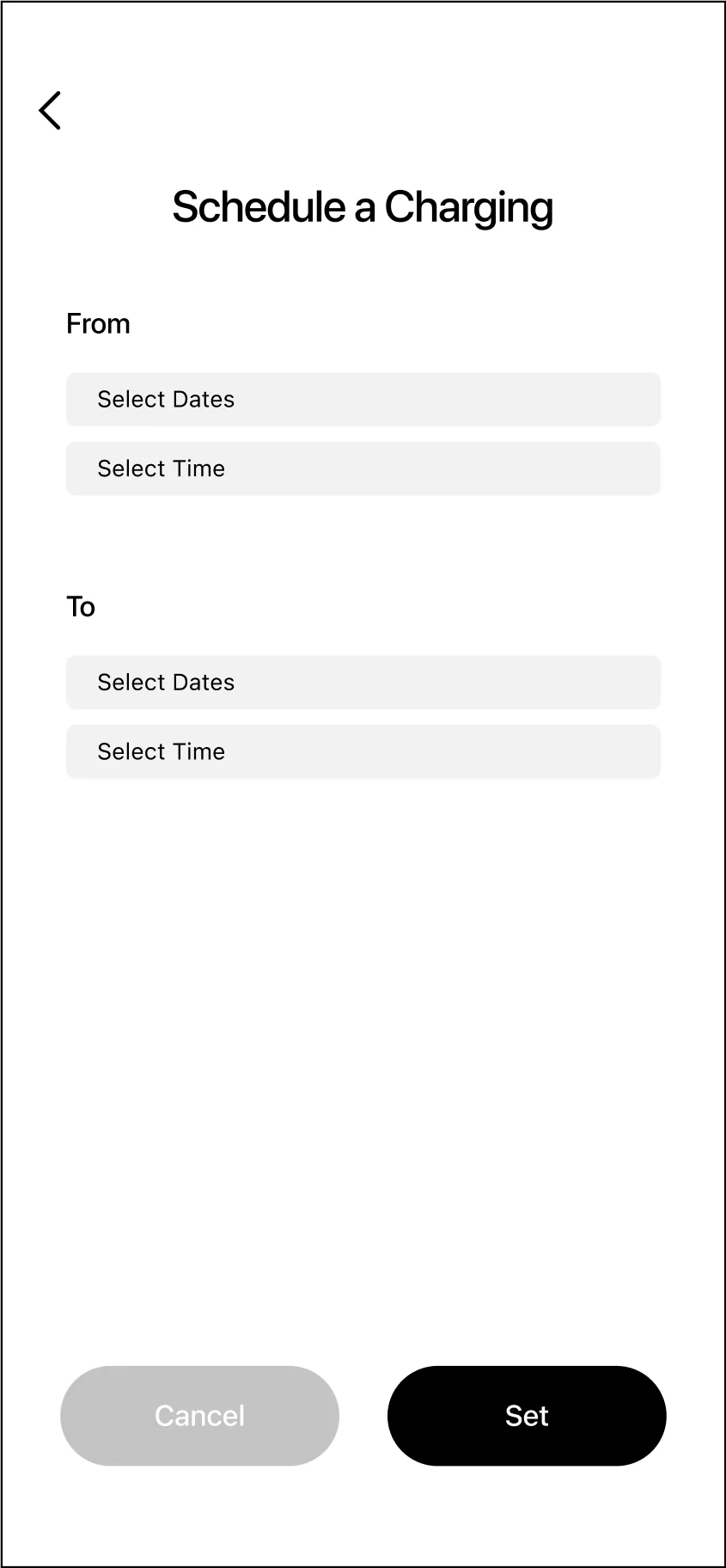
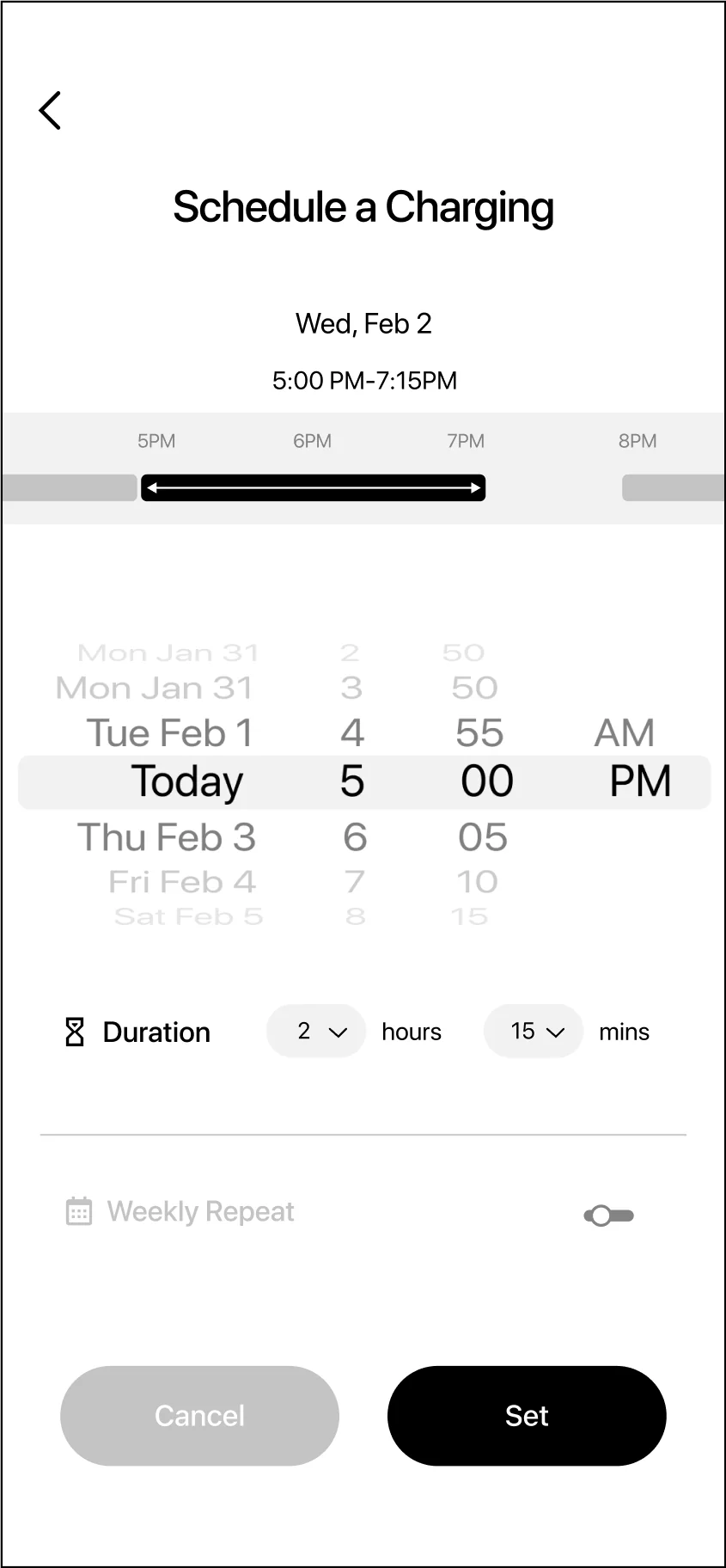
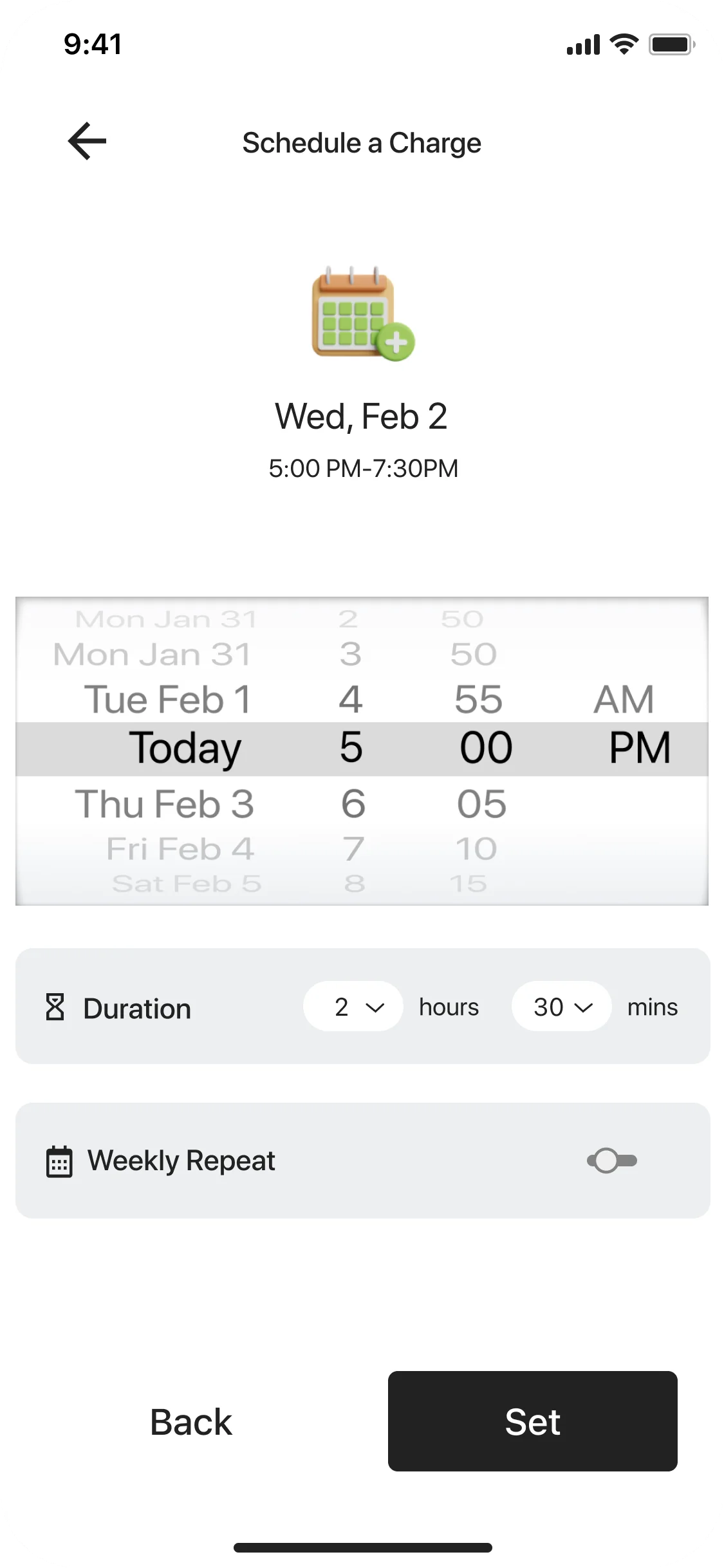
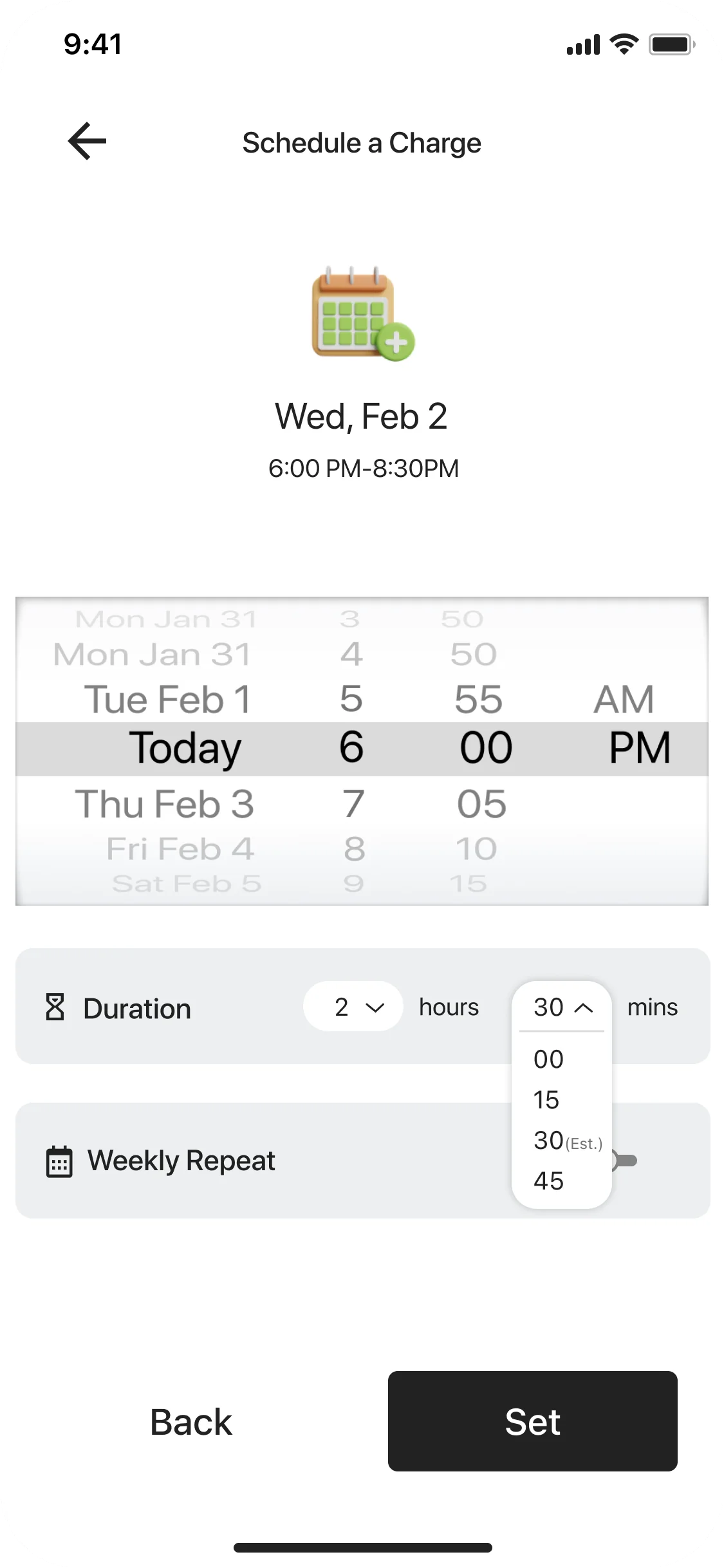
Cut steps and eliminated errors — making booking fast and frustration-free.
Wireframe mixed critical info — price, availability — with secondary details, with no clear hierarchy.
Final Design restructures cards — key info (price, reviews, availability) upfront, secondary details folded under icons.
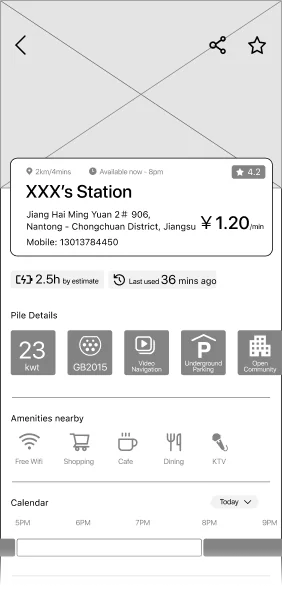
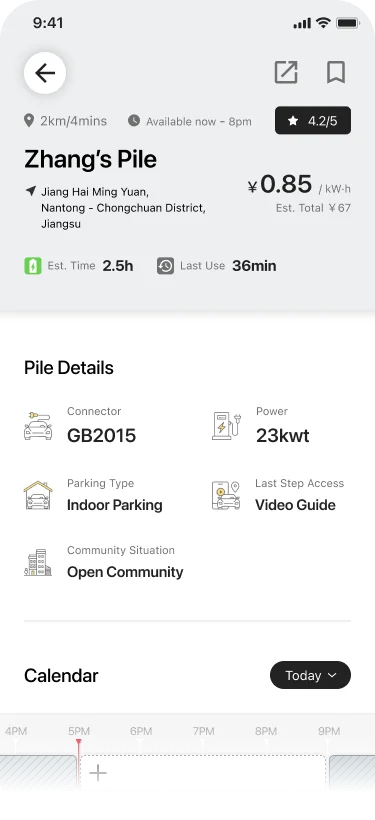
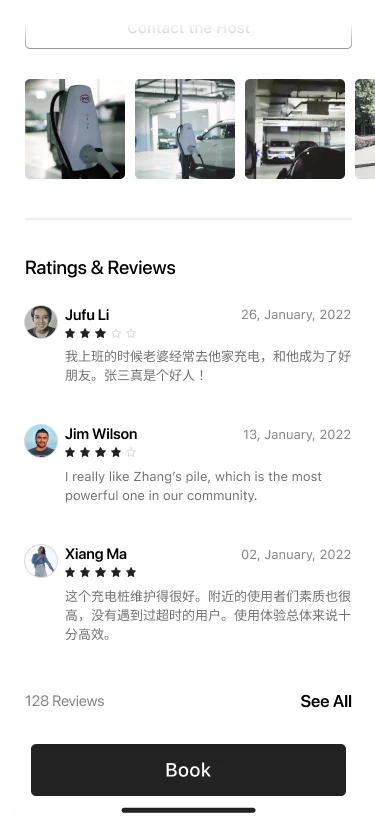
Spotlighted what drivers need first — cutting cognitive load and decision time.
Wireframe crowded the charging screen with competing signals and no clear state.
Final Design rebuilds around three states — waiting, charging, done — with an inverted active screen and a green energy ring so energy-flowing reads instantly.
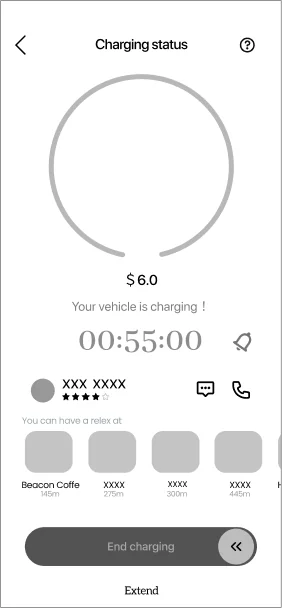
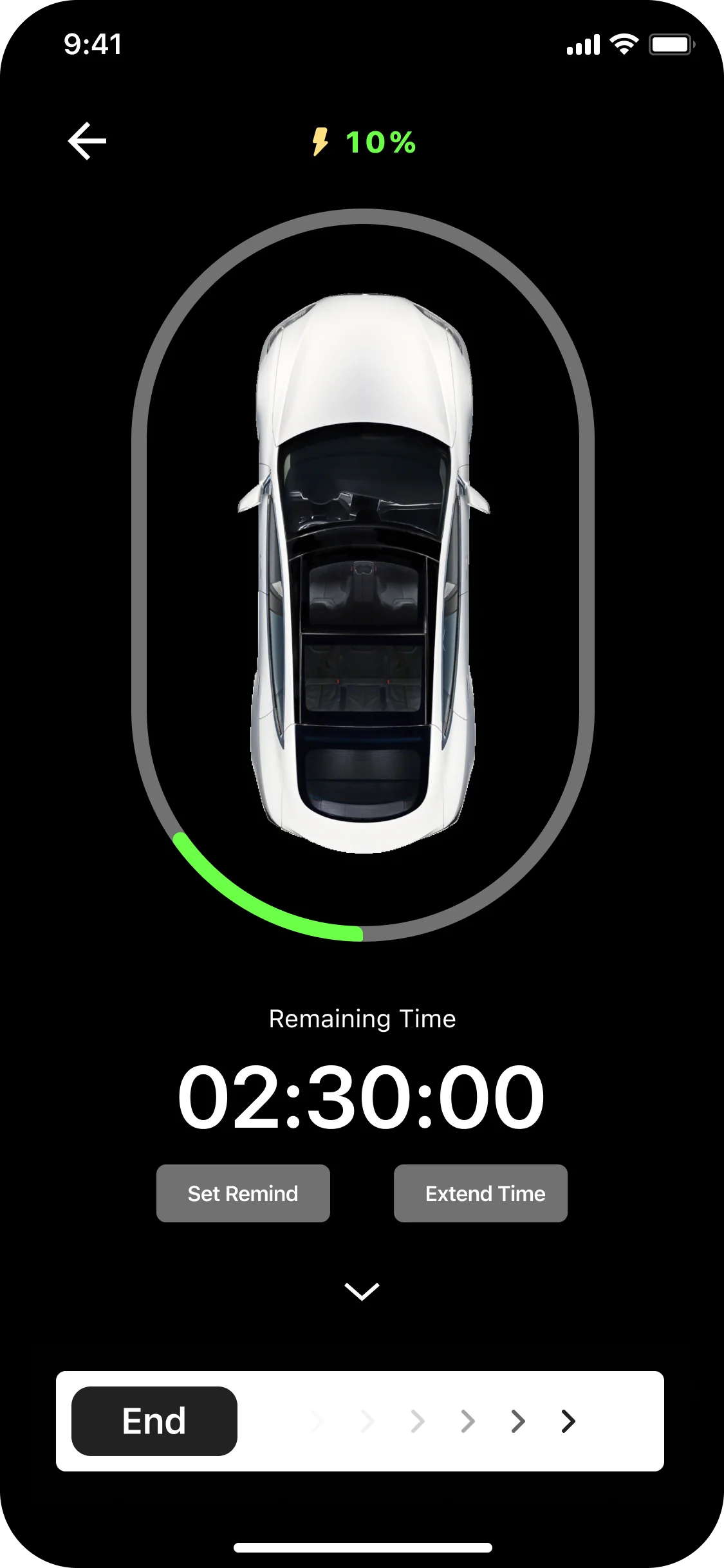
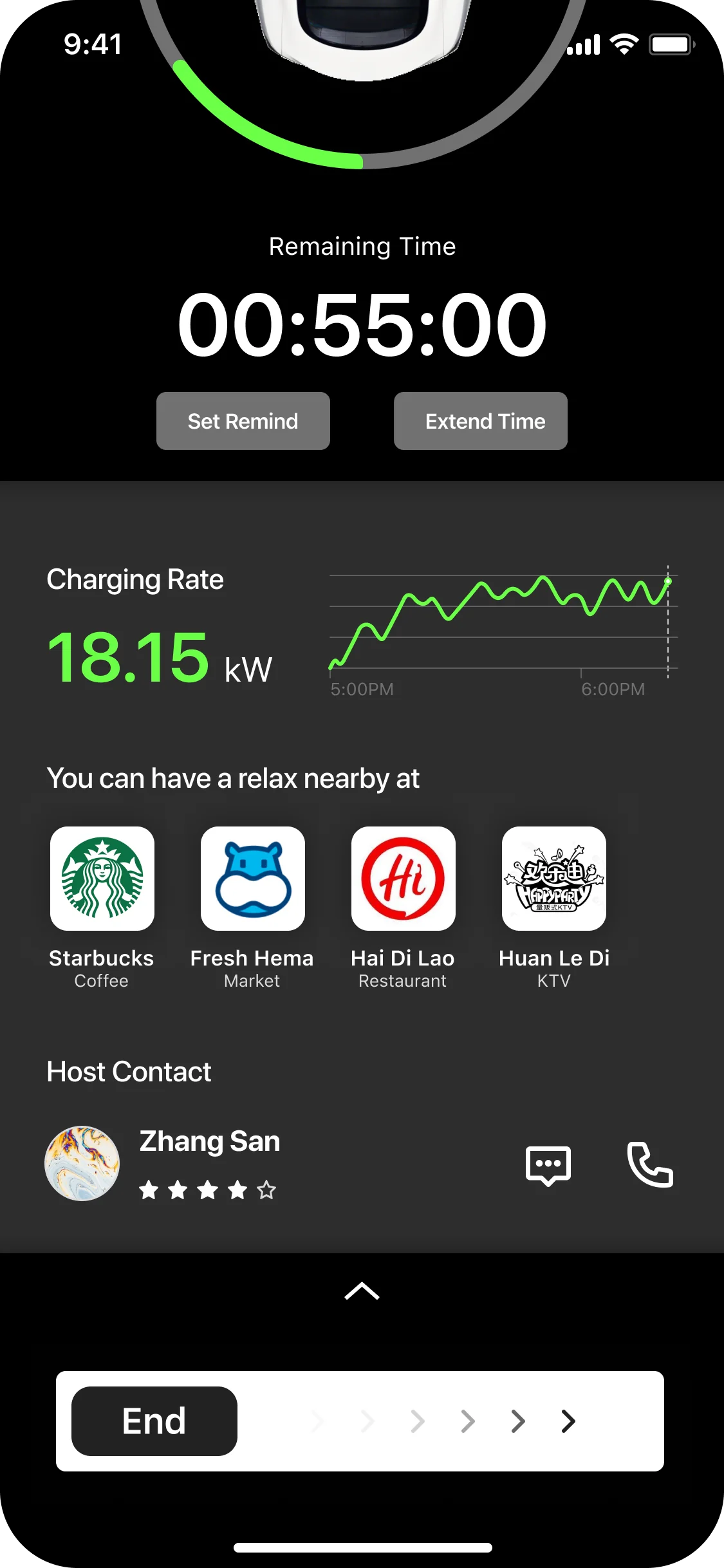
Made charging state legible at a glance — the version nearly all users preferred.
IMPACT
The project received multiple international design recognitions, including the 2024 MUSE Design Awards and NY Product Design Awards, as well as the 2025 iF Design Award, A’ Design Award, UX Design Award, and Red Dot Design Concept Award.






The concept introduced a new, transparent way for drivers and hosts to connect through charging. Testing showed that clear interaction logic and straightforward onboarding could foster trust, simplify participation, and make the idea of shared charging feel both accessible and credible.
Drivers described the concept as intuitive and easy to navigate.
Simplified flows increased willingness to share private chargers.
Finding and booking chargers became significantly faster in testing.