AI Vibe Coding | End-to-End Execution | Data Visualization | Incentive Simulation

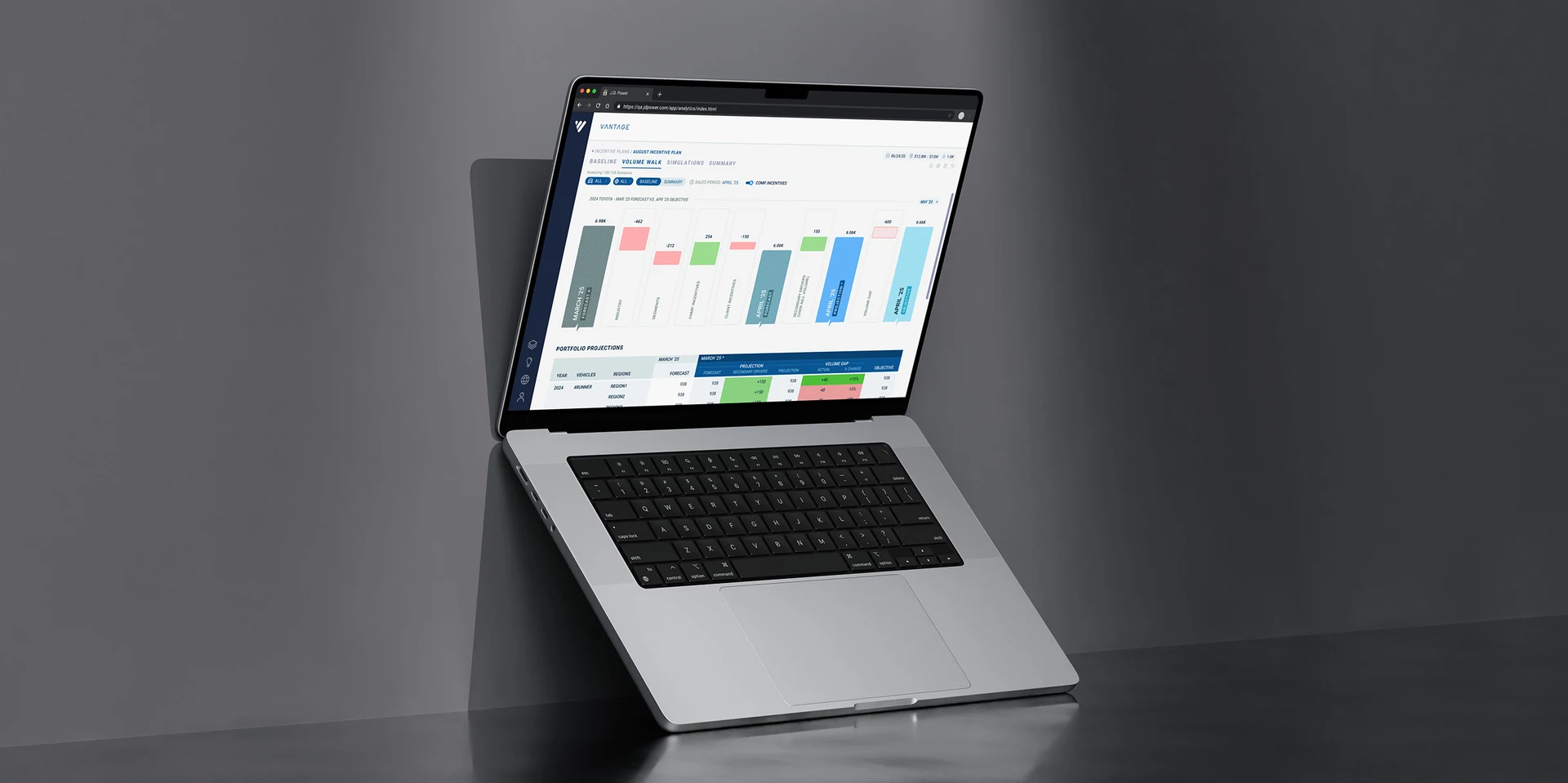
PROBLEM
PROCESS
After completing the Volume Walks design, I experimented with emerging vibe coding tools such as Replit, Bolt, and V0 to explore faster design-to-code workflows. While powerful for rapid prototyping, these tools operated on closed servers and lacked the flexibility required for direct integration with VANTAGE’s enterprise codebase. To maintain speed without sacrificing control, I transitioned to a standard GitLab + VS Code + GitHub Copilot workflow — combining automation with the rigor of production development.



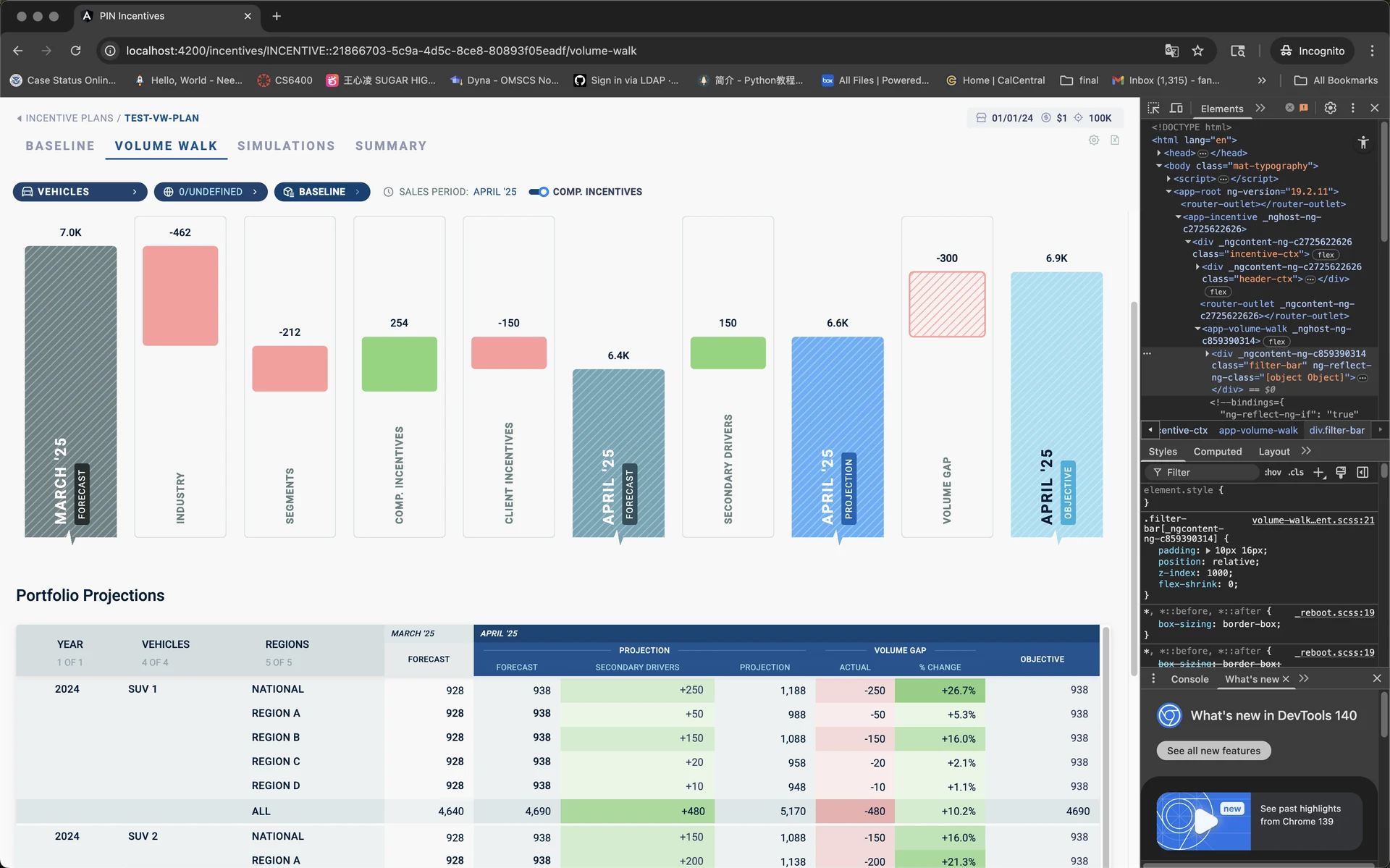
With prior coding experience and familiarity with VANTAGE’s architecture, building the new page and router was straightforward. The real challenge lay in chart logic: unlike typical bar or line charts, Volume Walks required custom algorithms and a unique vertical label system that dynamically scaled with data.Through iterative prompting and example-based guidance, I trained Copilot to generate accurate, production-ready chart logic — blending human design intent with AI precision.
To streamline testing, I generated mock datasets mirroring final database schemas, allowing full front-end validation before backend integration. This accelerated debugging, ensured data accuracy, and validated user interactions early. Overall, AI-assisted coding turned the traditional handoff into a continuous design–development feedback loop, where ideas moved from concept to working prototype seamlessly within hours instead of days.
SOLUTION
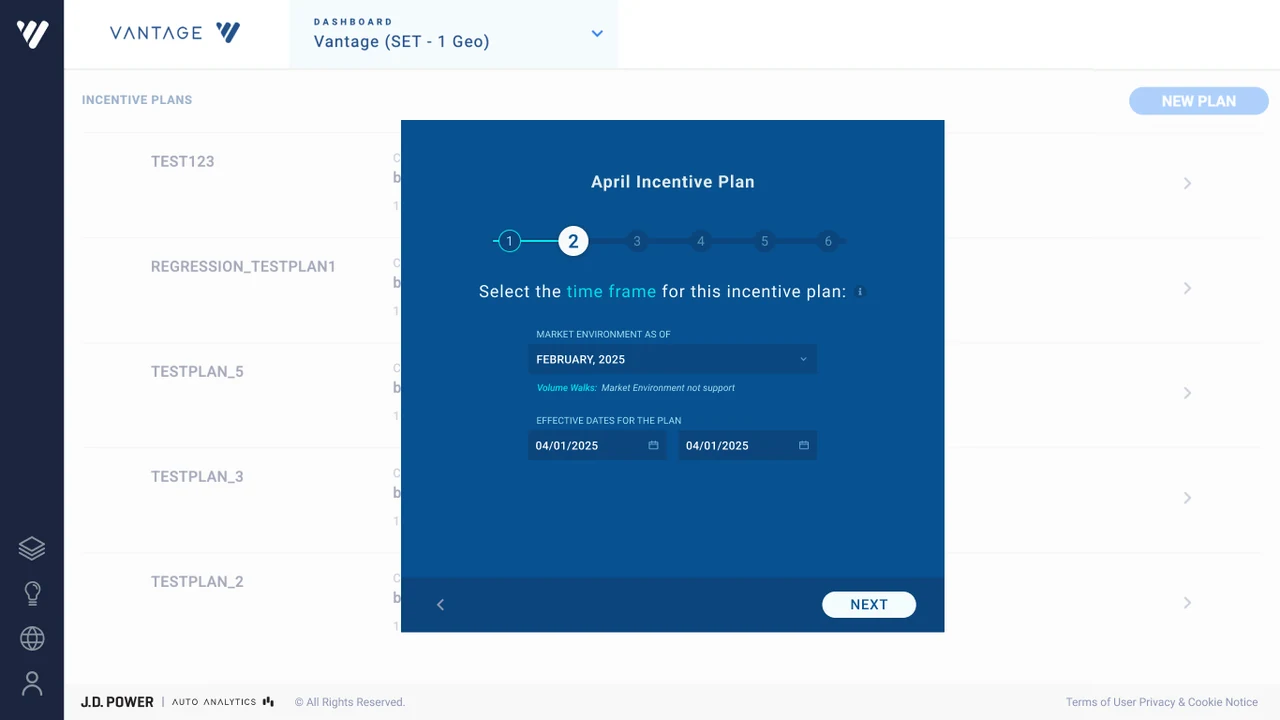
Onboarding Wizard
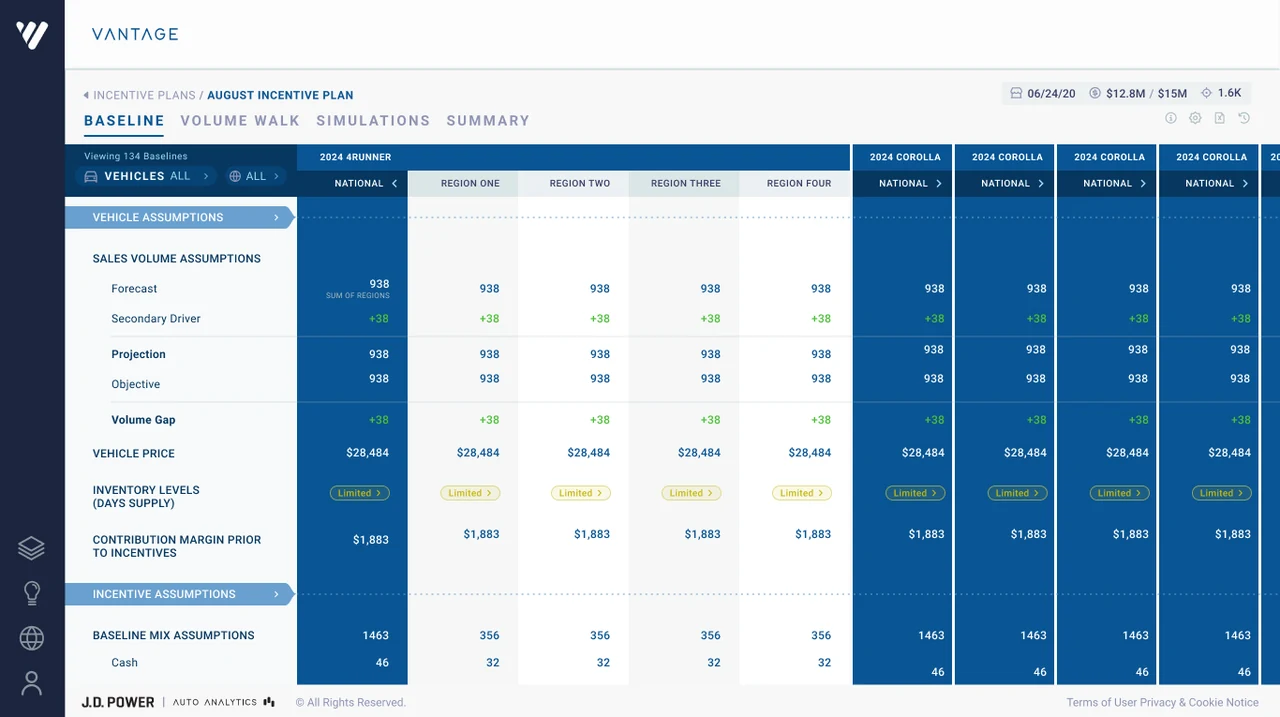
Baseline
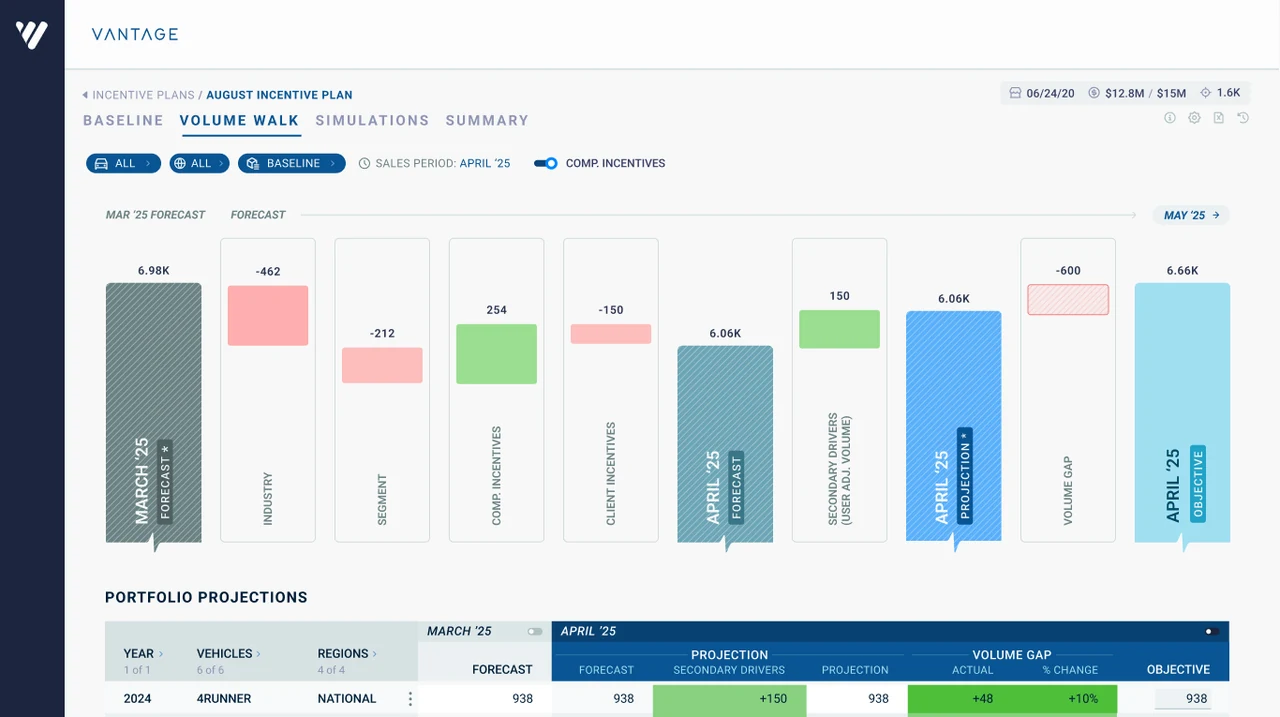
Volume Walks
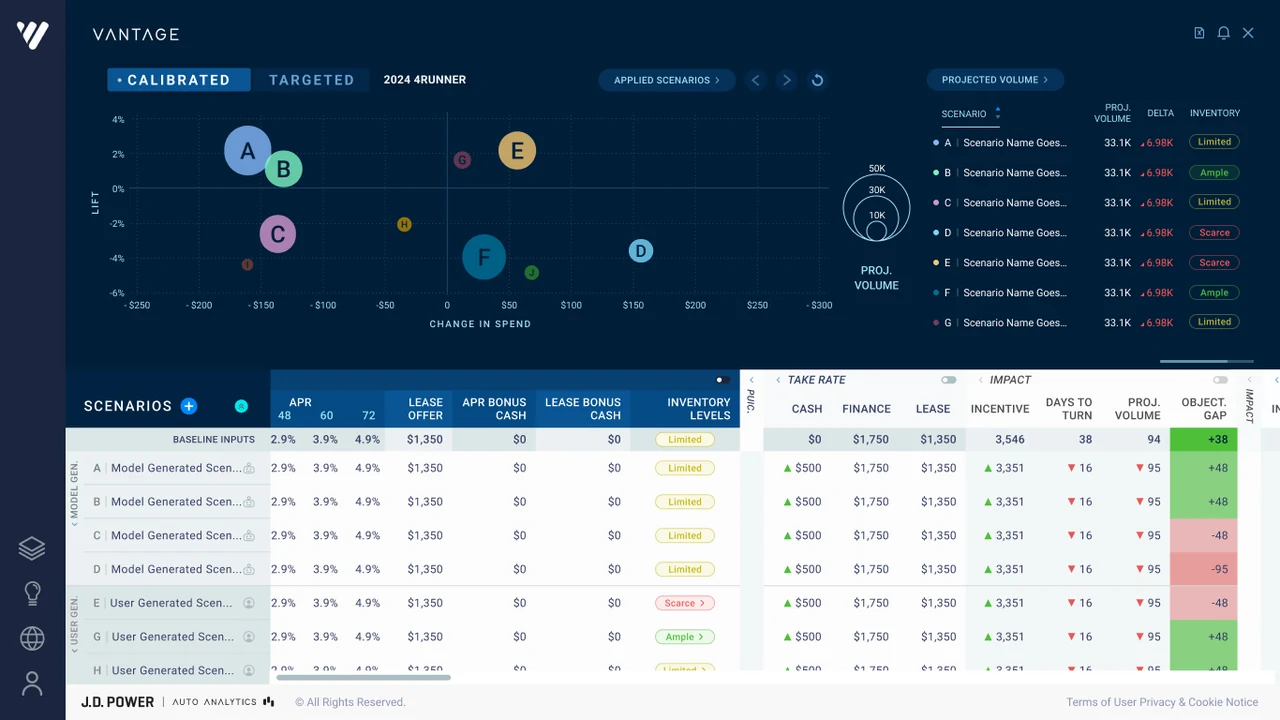
Simulations
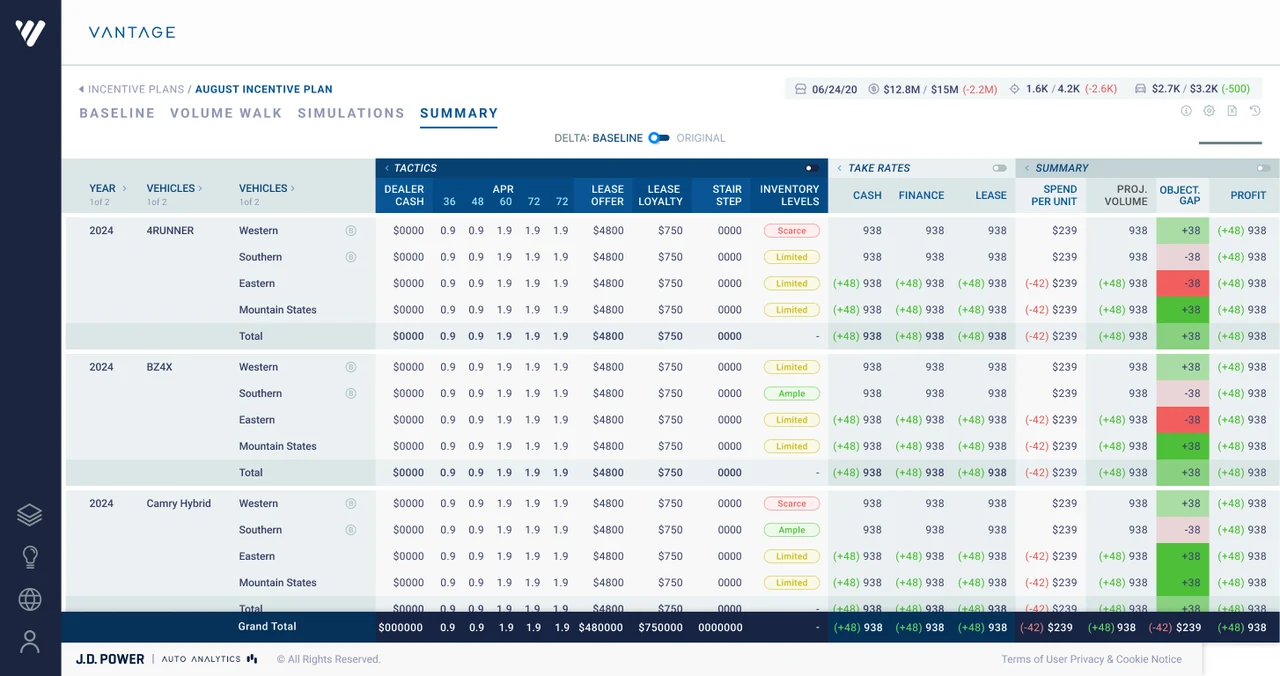
Summary
Onboarding Wizard
Baseline
Volume Walks
Simulations
Summary